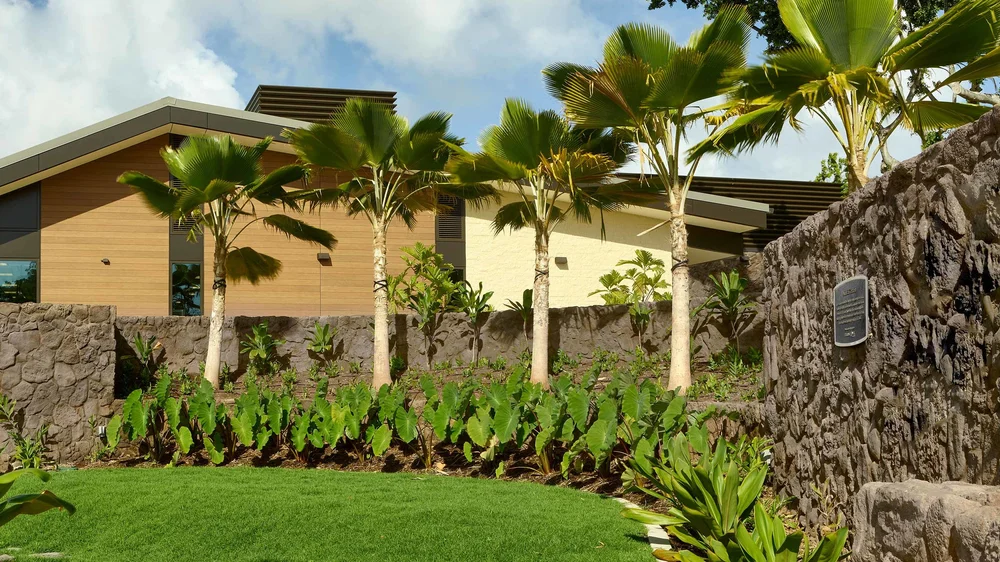
On the slopes of Diamond Head, next to Kapi'olani Community College, sits a campus that many Restaurant Week Hawaii diners helped make possible: the Culinary Institute of the Pacific, often shortened to CIP. Restaurant Week Hawaii was created with a clear goal. A portion of the proceeds from every edition supported the vision of an advanced culinary campus where students from Hawaii could train for careers in food and hospitality without leaving the islands.
This article explains where the institute came from, what the campus was designed to offer, and why it matters to Hawaii's restaurants, students and diners.
From the Cannon Club to a culinary campus
The institute occupies the former Cannon Club site on the slopes of Diamond Head, a property that many longtime residents remember for its views over Waikiki. According to reporting by Honolulu Civil Beat, the University of Hawaii was awarded a long-term lease for the roughly eight-acre property in 2004. The site had been vacant since the Army closed the club in 1997, and its old buildings were in poor condition.
Turning a neglected site into a modern teaching campus took years of planning and fundraising. The tenth reason on our 10 Reasons to Support page, "Cannon Club nostalgia," is a reminder of how much the location meant to the community.
Groundbreaking and first phase
A groundbreaking ceremony took place on September 8, 2015, as noted on the About Restaurant Week Hawaii page. Construction started that year, and the first phase was completed in 2017. Phase one gave students two spacious culinary labs, each fitted with professional stations and restaurant-grade equipment such as gas ranges, ovens and broilers.
The Mana'ai Garden
In 2016, the Mana'ai Garden opened at the institute. As described in our earlier post about the Mana'ai Award, the garden was made possible by the generous sponsors and participating restaurants of Restaurant Week Hawaii. Its name reflects how food brings the community together, preserves culture and shapes daily life.
What the campus was designed to include
From the beginning, the plan was ambitious. Our Student Support page describes a state-of-the-art, environmentally minded campus with a signature restaurant open to the public, a competition kitchen, a demonstration theater, an advanced Asian culinary lab, a patisserie classroom, an imu pit and garden plots.
The second phase of the project focuses on the public-facing pieces of that vision. University of Hawaii news reports have described phase two as including a signature restaurant, an auditorium, an innovation center, an outdoor lab and gardens, along with additional parking. In 2024, UH reported that phase two construction was expected to be completed in 2025. For the latest opening details, check the institute's official channels.
A restaurant as a classroom
The planned signature restaurant is more than a place to eat. In a teaching restaurant, students cook and serve real guests under the guidance of instructors, learning the pace, teamwork and standards of a working dining room. For diners, it offers a chance to support students directly while enjoying a meal with one of Honolulu's best views.
Partnerships that raise the bar
In June 2024, the institute announced a collaboration with the Culinary Institute of America to create a workforce and professional development program. University of Hawaii news described five-day culinary intensives focused on Hawaii-sourced ingredients, plant-forward cooking and contemporary techniques. Participants earn certificates from both institutions. The program was designed for working chefs and aspiring food and hospitality professionals who want to sharpen their skills.
The same reports named chef Roy Yamaguchi as the institute's director. Yamaguchi, along with chef Alan Wong, served as honorary chair of Restaurant Week Hawaii, as listed on our committee page. Their long involvement shows how closely Hawaii's restaurant community has been tied to the institute's growth.
Why the institute matters to Hawaii
Hawaii's restaurants, hotels and visitor industry depend on skilled cooks, bakers, servers and managers. Training those people at home has several benefits:
- Local careers. Students can build a career in food without moving to the mainland for advanced training.
- Stronger restaurants. Well-trained graduates help kitchens maintain quality and consistency.
- Culinary identity. A focus on Asian and Pacific cuisines and island ingredients helps Hawaii stand out as a food destination.
- Community connection. Gardens, a public restaurant and events invite residents to see the work of students firsthand.
These ideas echo the 10 Reasons to Support the institute, which highlight workforce development, higher education, culinary tourism and a unique focus on Asian Pacific cuisine.
How Restaurant Week Hawaii fit in
Restaurant Week Hawaii began in 2007 and, for more than a decade, encouraged diners to eat out at participating restaurants during a special week each year. Sponsors, restaurants and diners all contributed to the cause. The model was simple: enjoy a good meal, discover a new restaurant and help fund a place where future chefs could learn.
The event also honored people who dedicated themselves to the cause. Conrad Nonaka, the institute's director and the chair of the Restaurant Week Hawaii committee, worked for years on behalf of students. The Mana'ai Award was created in his memory to recognize culinary students for their writing about what food means to them.
Visiting and supporting the institute today
If you would like to support culinary education in Hawaii, there are several ways to get involved:
- Follow Kapi'olani Community College and the Culinary Institute of the Pacific for news about events, classes and the public restaurant.
- Attend food events and festivals that list the institute or its students as beneficiaries.
- Give through the University of Hawaii Foundation, which manages gifts for university programs.
- Hire graduates and offer internships if you run a food or hospitality business.
To learn more about the career side, read our guide to building a culinary career in Hawaii.
Conclusion
The Culinary Institute of the Pacific grew from a simple but powerful idea: Hawaii's restaurant community could invest in its own future. Diners who booked a table during Restaurant Week Hawaii, sponsors who backed the event and chefs who served special menus all played a part. As the campus continues to develop, it stands as a reminder that a good meal can do more than satisfy hunger. It can help train the next generation of island chefs. Explore more stories on our news page.